
ITR Technology – From Chaos to Cohesion
2025
ITR Technology had the numbers. Over eight years, the business enjoyed growth substantially above industry average. But behind the glossy metrics was a very different story: a leadership team in conflict, a CEO drowning in work, and a culture fraying at the edges.
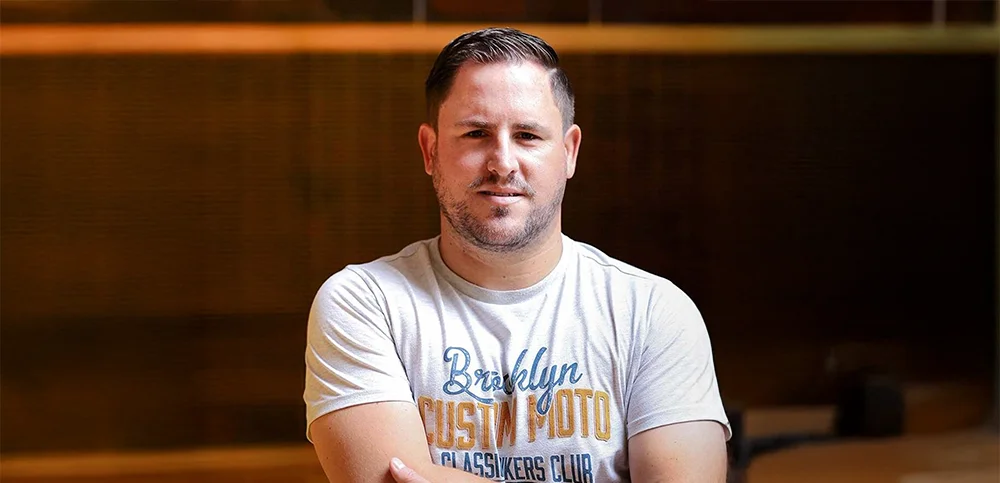
“We had phenomenal growth, but I was working insane hours,” said Philip, CEO of ITR. “Everything ran through me. And when we told our leaders to ‘step up,’ we couldn’t even define what that meant.”
The pressure cooker was ready to explode. The team didn’t trust each other. Conversations stayed polite on the surface while tension brewed underneath. Growth was slowing. Key staff were at risk. Something had to change.
Philip had tried outside help before, but the breakthrough came after a referral led him to Grow. What struck him was that the coach showed up, literally. “You made the effort to come out to us,” he said. “That mattered.”
From that first meeting, it became clear that the challenge wasn’t just about systems or strategy. It was firstly about people. Leadership. Trust. And the courage to face some hard truths.
Their Grow coach recalls, “The executive team was dysfunctional. There was infighting, broken trust, and no clear direction. Phil’s leadership style, very controlling and numbers-driven, was adding to the chaos.”
It took guts to start the journey. “When I saw my Leadership Circle Profile,” Philip recalls, “I said, ‘Oh my word. I need help.’ I realized I wasn’t listening. I was controlling everything. And it was creating fear.”
The first step was putting the issues on the table. In a two-day offsite strategy session, the team tackled the “elephants in the room.” It was raw. Personal. Sometimes painful. But it worked.
“For the first time, we had real conversations,” Philip says. “We set ground rules, showed vulnerability, and said things we’d never said before. One of our leaders owned the chaos she’d been causing. Others admitted they’d lost trust. But we worked through it.”
The impact was immediate. A fractured team began to cohere. People started listening. Trusting. Supporting each other. The leadership team emerged from the fog as a unified force.
“Now,” their coach reflects, “they’re not just colleagues. They’re a team. They’re honest, they’re tight, and they’ve brought the fun back.”
With trust beginning to take root, the team could finally address the structural gaps that had been stalling the business behind the scenes. For years, ITR Technology’s strategy had lived inside Philip’s head. It was reactive, informal, and dependent on him. But with their coach’s support, that changed, fundamentally.
“For the first time,” said Philip, “we built a strategy together. It wasn’t just me driving things and others nodding. We all agreed to it, and we all committed to making it happen.”
Their coach guided the team in defining a five-year strategy with clear objectives, focus areas, and a game plan for delivery. The entire strategy lives on a single page so its simple and easy for everyone to understand. The game plan consisted of clear strategic priorities for the next year, broken down into strategic priorities to focus on for the next 3 months. It became a living guide for how each part of the business would operate. Every executive leader translated the overarching strategy into their own department-level game plan: Sales, Marketing, HR, Finance, Ops, and Tech Ops each built their own vision of how they’d support the bigger picture.
This was a breakthrough. For the first time, the business wasn’t just operating from one person’s drive, it was being propelled by a team, each playing a defined and accountable role.
To hold it all together, their coach introduced a set of rhythms and habits that created structure across the business:
These rhythms gave the team a shared heartbeat, and allowed them to shift from a culture of reaction to a culture of execution.
Philip, who once shouldered every decision himself, now had a team capable of leading. “I don’t want to micromanage,” he said. “They’ve started managing their own teams. It’s still a work in progress, but it’s been incredible to watch.”
The coach also worked one-on-one with leaders to improve performance and confidence. Philip’s own shift was dramatic. Where he had once insisted on final say, he now allowed the team to debate, decide, and move. “I’ve learned to listen more,” he said. “And I’ve learned to let go.”
Even tough decisions, like confronting underperformance, are now being handled with greater maturity and clarity. Gossip is no longer tolerated. Issues are addressed directly and respectfully. Leaders are given the freedom to own their portfolios, and the accountability to deliver results.
“It was about turning strong individuals into a strong team,” the coach reflected. “Each person developed their own strategy, but always aligned to the same vision.”
The result? A company that used to sprint on instinct now moves with alignment, discipline, and shared purpose. And while the early days of the process were met with resistance, “Grow was a swear word at one point,” Philip admitted, the payoff has been worth it.
“Everyone gets it now,” said Philip. “They see how the work is changing not just the business, but their own lives. At work, and at home.”
With a clear strategy and leadership structure in place, the next phase of ITR’s journey was about elevating performance, both individually and across the business.
One of the first areas their coach zeroed in on was sales. Historically, the sales team had been disjointed. The Head of Sales was effectively operating as a lead salesperson rather than a sales leader, spending too much time closing deals himself and not enough time building capacity or holding the team to account.
The coaching focused on redefining this role. Their coach helped the Sales Director step into a more strategic posture: designing a structure, improving the team’s rhythm, and clarifying what performance should actually look like.
Hiring was another key battleground. Across departments, especially in sales and channel development, the business had grown fast, but not always with the right people in the right seats. The coaching process helped ITR adopt stronger hiring frameworks, implement the Topgrading hiring methodology, and take more time to assess culture and performance fit.
Over the course of the year, 18 people were hired, and others moved out of roles where they couldn’t deliver. It wasn’t easy, but it was necessary.
“Last year was about laying foundations,” said their coach. “Getting the right people into the right roles, especially in sales, made all the difference.”
As the sales team stabilized, new momentum began to build. Revenue climbed, with the company hitting 118% of their Q1 target, an impressive return for a team that had been stuck in survival mode less than a year before.
Elsewhere in the business, departmental strategies gave each functional head a clear sense of purpose and autonomy. Leaders who had previously been hesitant or passive began to grow in confidence. One standout example was the company’s Financial Director, Claire.
“She used to be timid,” said Philip. “Now, she’s giving a speech at our year-end function in front of the whole company. That would never have happened before.”
Momentum didn’t just show up in metrics, it was visible in energy, tone, and culture. People began helping each other more. Silos broke down. Executives weren’t just managing their own turf, they were asking, “What do you need? How can I help?”
It was the kind of high-performing, values-aligned team that many business leaders dream about, but rarely build.
“We’re 48% up on last year,” said Philip. “But the real win is that we’re ready for the growth. We’re not scrambling. We’re confident. The team is in sync, and we’re building something that lasts.”
Philip is clear about the turning point.
“If we hadn’t made the change, we would’ve had more chaos – unmanageable chaos. We might have lost good people. But now, I’d absolutely make the investment again.”
He’s also clear about the value of the coaching relationship: “Our coach connected with everyone. He was fair, firm, and helped each of us grow, me included. He called us out when we needed it, and created the space for real change.”
ITR is now poised for the next phase of its journey, with a united team, a clear direction, and a CEO who’s rediscovered what leadership really means.
“Grow quietened the noise,” Philip says. “They helped us find clarity, structure, and trust. That changed everything.”









Complete our form to subscribe to our mailing list.
©Copyright GROW. All rights reserved. Terms of use. Privacy Policy. Disclaimer. PAIA
 @GrowCoachingSA